
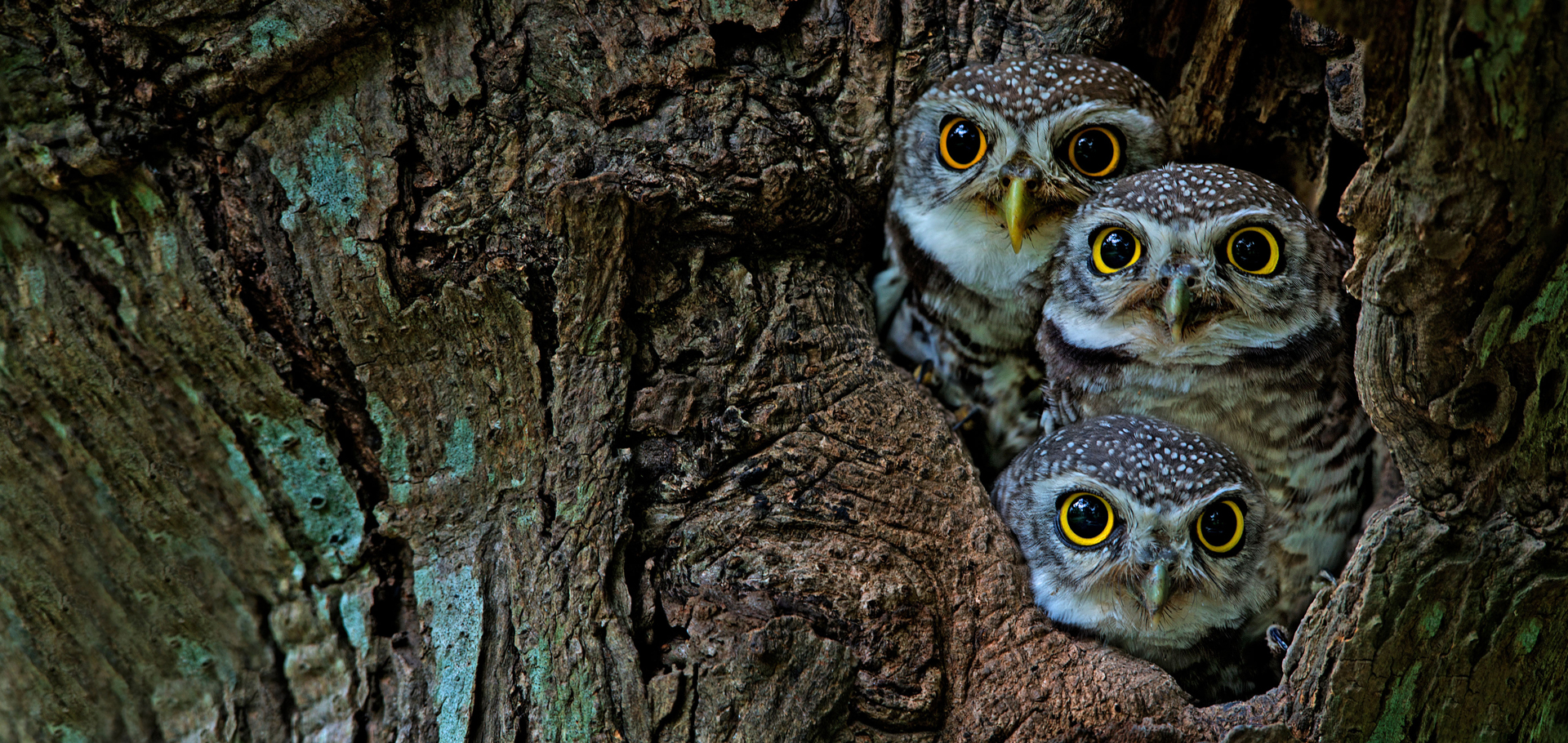
Plants are the sources for the food we and other animals eat, the medicines we need and the materials for our shelters. They also serve as crucial habitats for the more-than-humans among us.
All organisms on Earth are traditionally placed into six kingdoms of life: Animalia (animals), Archaebacteria (bacteria often found in extreme environments, such as hot springs and hydrothermal vents), Eubacteria (true bacteria), Fungi (molds, mushrooms and yeasts), Protista (algae and amoebas) and Plantae (plants). While plants can be pretty decorations in our world, they are also so much more. They are the quiet, determined engines of life that make human survival possible.
But despite their prodigious power, plants are vulnerable. When the vegetation on Earth can’t regulate the planet’s carbon cycle—such as when catastrophic volcanic eruptions warmed the world millions of years ago—it can take millions of years to reach a new, stable climatic equilibrium. Today, when we are releasing greenhouse gases at a faster rate than any previous volcanic event and “dark diversity” has increased due to human activity, we may have placed plants in an almost impossible situation.
With our help, however, plants may be able to fight back, and fungi could help power the battle. Mushroom networks could one day replace the tiny, metal components that process and store computer data—opening the door to sustainable, human-brain-like computing. And scientists are now using artificial intelligence (AI) software to analyze plant root systems to engineer plants capable of fighting rapid climate change.

Over millions of years in the Earth’s history, long-lasting volcanism has significantly warmed the climate, which in turn has reduced the climate-regulating effect of vegetation.
Plants: equilibrium enforcers
Luckily, when seeking answers to humanity’s most pressing challenges in nature—such as global warming—geological history offers scientists a unique, long-term perspective. Earth’s geological history is spiked by periods of catastrophic volcanic eruptions that released vast amounts of carbon into the atmosphere and oceans. The increased carbon triggered rapid climate warming that resulted in mass extinctions on land and in marine ecosystems. These periods of volcanism may also have disrupted the carbon-climate regulation system for millions of years.
Recently, earth and environmental scientists at the public university ETH Zurich in Switzerland led an international team in conducting a study, published in the journal Science in August 2024, on how vegetation responds and evolves in response to major climatic shifts and how such fluctuations affect the planet’s natural carbon-climate regulation system.
Drawing on geochemical analyses of isotopes in sediments, the research team compared the data with a specially designed model, which included a representation of vegetation and its role in regulating the geological climate system. They used the model to test how the Earth responds to the intense release of carbon from volcanic activity in different scenarios. They studied three significant, historical climate shifts, including the Siberian Traps event that released 40,000 gigatons of carbon over 200,000 years and led to a lethally hot planet—with a global average temperature rise of between 9 and 18 degrees Fahrenheit—for millions of years. This was a major factor in the Permian-Triassic mass extinction, or “the Great Dying,” about 252 million years ago.
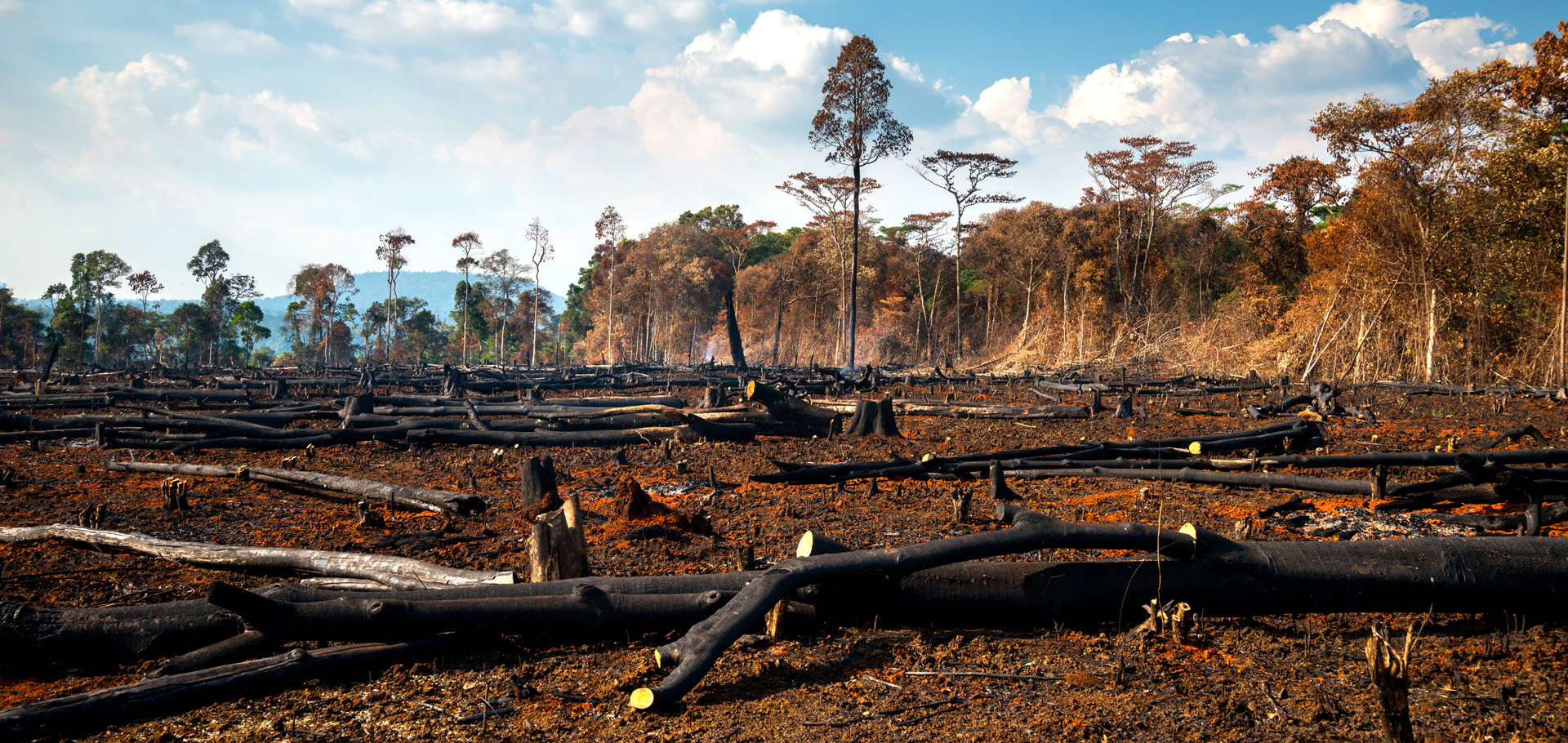
Humans are currently releasing greenhouse gases at a faster rate than any previous volcanic event and are the primary cause of global deforestation, which greatly reduces the ability of natural ecosystems to balance the climate.
The recovery of vegetation from the Siberian Traps event took several million years; and during this time, Earth’s carbon-climate regulation system would have been weak and inefficient, resulting in long-term climate warming. Researchers found that the severity of such events is determined by how fast emitted carbon can be returned to Earth’s interior, sequestered through silicate mineral weathering or organic carbon production through the process of photosynthesis, in which carbon dioxide is converted into organic compounds for growth. This process is also known as “carbon fixation” and is a natural form of carbon sequestration that stores carbon in plant biomass and, eventually, in oceans and soils.
The scientists also found that the time it takes for the climate to reach a new state of equilibrium depended on how fast vegetation adapted to increasing temperatures. Some species conformed by evolving and others by migrating geographically to cooler regions. However, some geological events were so catastrophic that plant species simply did not have enough time to migrate or adapt to the sustained increase in temperature.
What does this mean for human-induced climate change? The study’s results showed that a disruption of vegetation increased the duration and severity of climate warming in the geologic past. In some cases, it may have taken millions of years to reach a new, stable climatic equilibrium due to a reduced capacity of vegetation to regulate Earth’s carbon cycle. Today, we find ourselves in a major, global bioclimatic crisis. We are currently releasing greenhouse gases at a faster rate than any previous volcanic event ever did. We are also the primary cause of global deforestation, which strongly reduces the ability of natural ecosystems to regulate the climate. This study, conclude the researchers, serves as wake-up call for the global community.

In regions with few human impacts, natural habitats contain, on average, one-third of the potential species, mainly because not all the species can naturally spread throughout the area.
Plants: dark diversity
Natural ecosystems comprise groups of species capable of living in the specific conditions of a biological system. However, if we visit a specific natural area, we will not find all the species capable of living in it. The proportion of species that could live in a specific location but do not do so is known as dark diversity, a concept coined in 2011 by researchers at the University of Tartu in Estonia. Research involving Spain’s University of the Basque Country has now demonstrated that this dark diversity increases in regions with greater human activity.
The study focused on nearly 5,500 locations in 119 regions across the world. In each investigated place, the research teams analyzed all the plant species present in different habitats to identify dark diversity. This innovative methodology for studying biodiversity made it possible to estimate the potential plant diversity in each study site and compare it with the plants actually present.
The results reveal a previously unknown effect of human activities on biodiversity. In regions with little human impact, natural habitats contain, on average, one-third of the potential species, mainly because not all the species can naturally spread throughout the area. By contrast, in regions with a high human impact, habitats tend to include only one-fifth of the potential species. Traditional methods for estimating biodiversity, based on counting the number of species present without taking potential species into consideration, tend to underestimate the true effect of human presence.
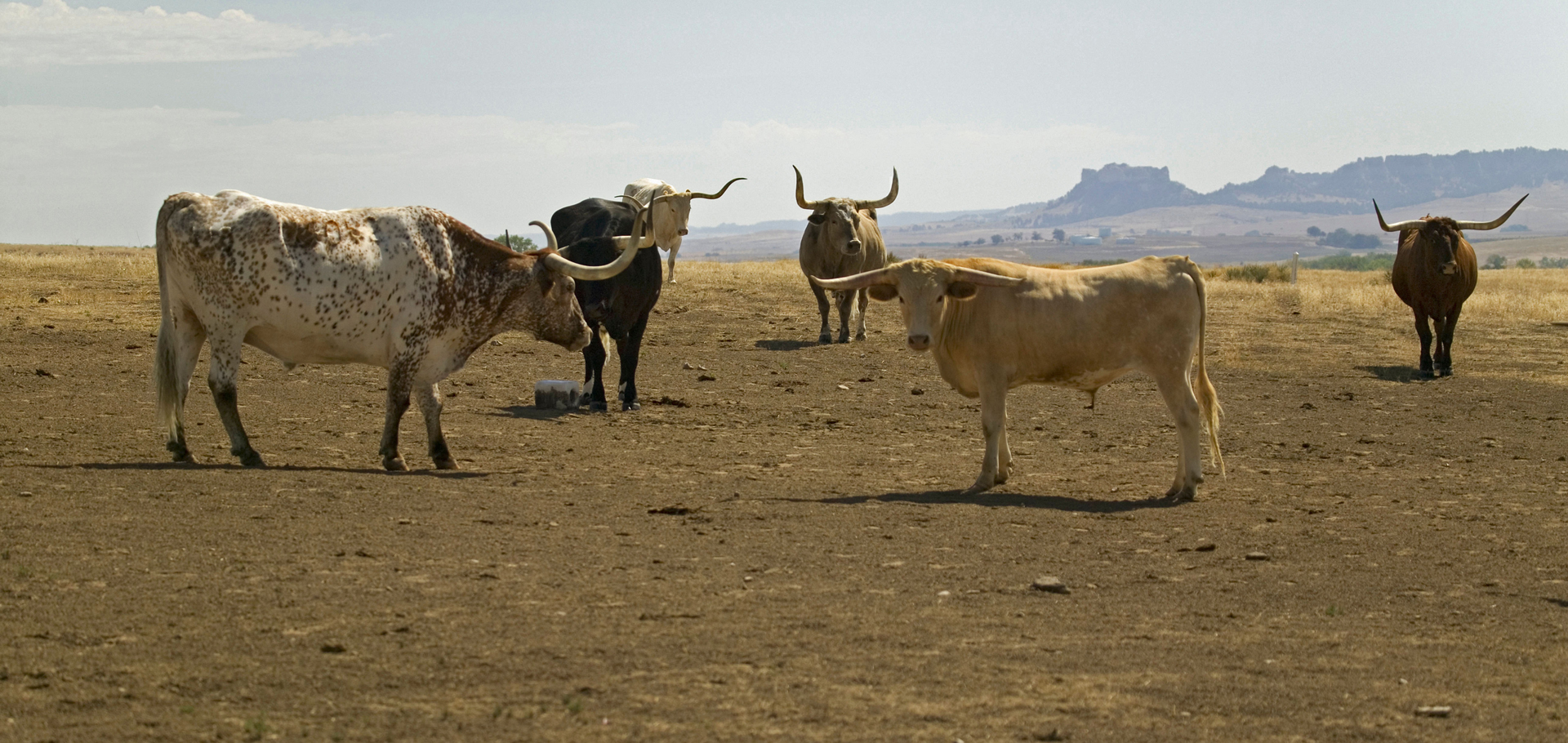
In regions that have been greatly impacted by humans, habitats tend to include only one-fifth of the potential species. Overgrazing can exclude plant species from their natural ranges and prevent them from recolonizing.
The degree of human impacts in each region was measured using the Human Footprint Index, based on factors such as population density, changes in land use and infrastructure construction, such as roads. According to the findings, the Human Footprint Index negatively affects plant diversity in a locality within a radius of several hundred miles. The authors pointed out that the results are alarming because they show that human disturbance exerts a much greater impact than initially thought, even reaching protected areas far from the source. Deforestation, forest fires, overgrazing and pollution can exclude plant species from their natural habitats, preventing them from recolonizing. The researchers also pointed out that the negative influence of human activity was less pronounced when at least one-third of a region’s area remained well preserved, which supports the global goal of protecting 30% of the planet’s surface.
In conclusion, state the scientists, this study—which was published in the journal Nature in April 2025—highlights the importance of maintaining healthy ecosystems beyond nature reserves and emphasizes the concept of dark diversity as a useful tool for assessing the status of ecosystems undergoing restoration by identifying species that have a preference for a particular habitat but are not yet present in it.
Fungi: mushroom memory
Mushrooms are known for their toughness and unusual biological properties. Now, these same qualities are making them attractive for bioelectronics, an emerging field that blends biology and technology to design innovative, sustainable materials for future computing systems.
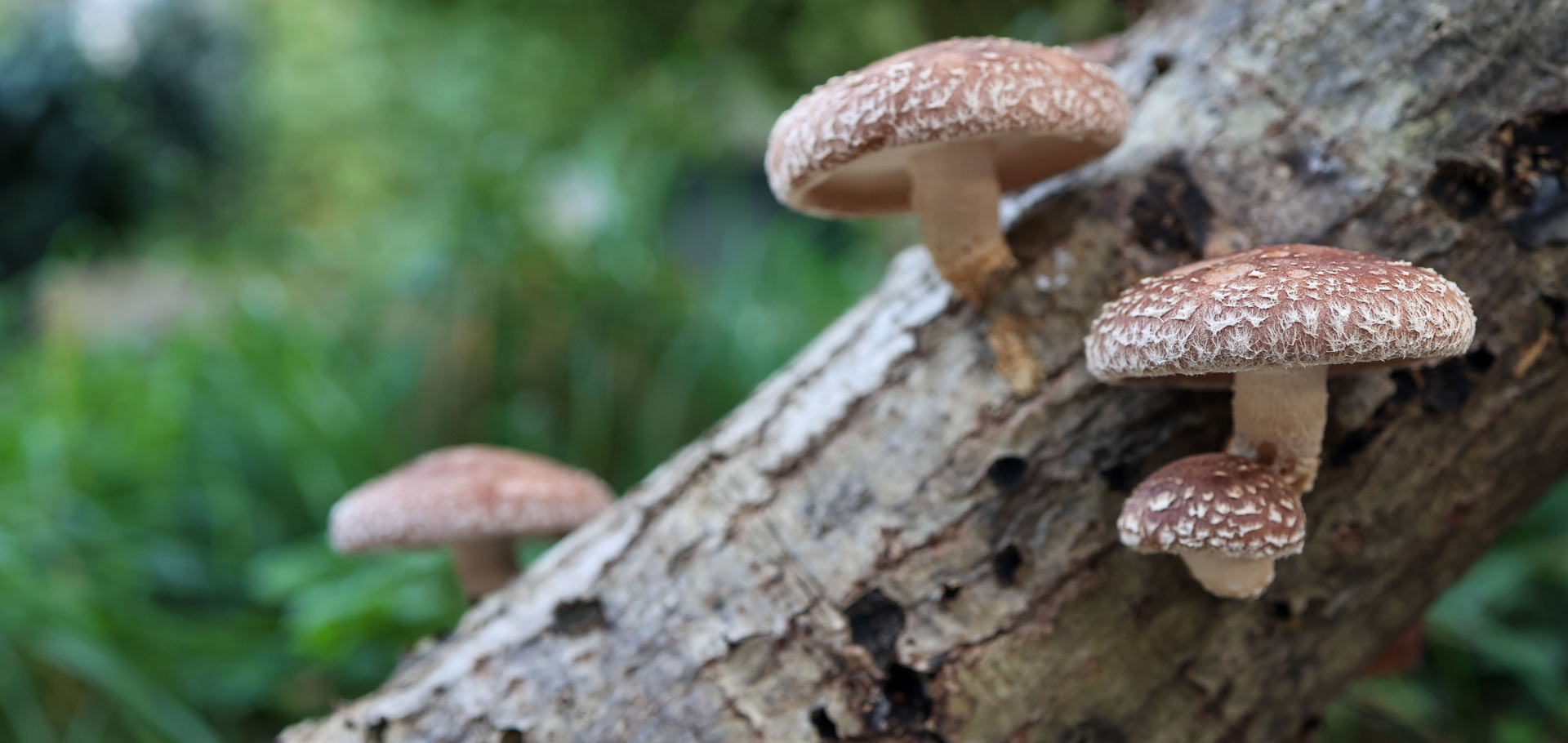
Society has become increasingly aware of the need to protect our environment and ensure that we preserve it for future generations. Mushroom-powered computers are an eco-friendly idea.
Researchers at The Ohio State University recently discovered that edible fungi, such as shiitake mushrooms, can be cultivated and guided to function as organic memristors, components that act like memory cells that retain information about previous electrical states. Experiments showed that mushroom-based devices could reproduce the same kind of memory behavior seen in semiconductor chips and may also enable the creation of other eco-friendly, brain-like-computing tools that cost less to produce.
Being able to develop microchips that mimic actual neural activity means you don’t need a lot of power for standby or when a machine isn’t being used. That’s something that can be a huge, potential computational and economic advantage. And because fungal materials are biodegradable and inexpensive to produce, they can help reduce electronic waste. In contrast, conventional semiconductors often require rare minerals and large amounts of energy to manufacture and operate.
To test their capabilities, the researchers grew samples of button and shiitake mushrooms. Once matured, they were dehydrated to preserve them and then attached to custom electronic circuits. The mushrooms were exposed to controlled electric currents at various frequencies, voltages and location points, because distinct parts of the mushrooms have different electrical properties. Depending on the connectivity and voltage, the researchers saw disparate performances.

Achieving smaller, more efficient fungal components will be key to making them viable alternatives to traditional microchips. Larger mushroom systems may be useful in aerospace exploration, while smaller ones could enhance the performance of wearable devices.
After two months of testing, the researchers found that their mushroom-based memristor could switch between electrical states up to 5,850 times per second with about 90% accuracy. Although performance decreased at higher electrical frequencies, the team noticed that connecting multiple mushrooms together helped restore stability—much like neural connections in the human brain. These results, say the researchers, highlight how easily mushrooms can be adapted for computing.
Building on the flexibility mushrooms offer also suggests there are possibilities for scaling up fungal computing. For instance, larger mushroom systems may be useful in aerospace exploration and edge computing (where data is processed closer to its source rather than being sent to a distant, centralized cloud or data center); smaller ones in enhancing the performance of autonomous systems and wearable devices.
Although organic memristors are still in their early stages, the scientists, who published their findings in the journal PLOS One in October 2025, aim to refine cultivation methods and shrink device sizes in future work. Achieving smaller, more efficient fungal components will be key to making them viable alternatives to traditional microchips. But everything you’d need to start exploring fungi and computing could be as small as a compost heap and some homemade electronics, or as big as a culturing factory with premade templates, conclude the scientists. All of them are viable with the resources we have in front of us right now.
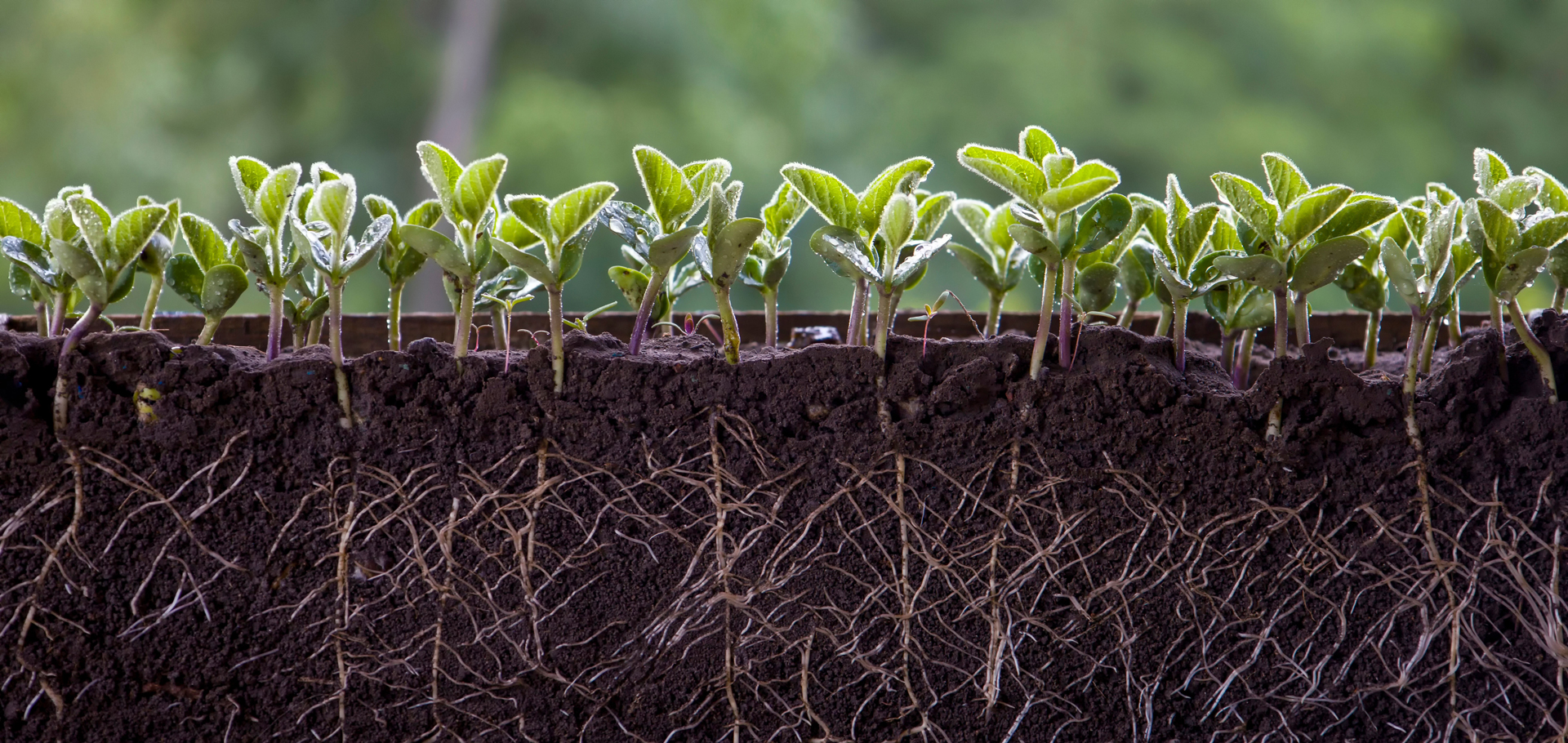
Removing carbon dioxide from the atmosphere is vital for fighting climate change and limiting global temperature rise. Scientists are now harnessing plants’ natural ability to draw CO2 out of the air by optimizing their root systems to store more carbon for a longer period of time.
Plants: engineered eco-warriors
The Intergovernmental Panel on Climate Change has declared that removing carbon from the atmosphere is now essential for fighting climate change and limiting global temperature rise. To support these efforts, scientists at California’s Salk Institute for Biological Studies are harnessing plants’ natural ability to draw carbon dioxide out of the air by optimizing their root systems to store more carbon for a longer period of time.
To design these climate-saving plants, Salk scientists are using a sophisticated, new research tool called SLEAP, an easy-to-use, artificial intelligence software that tracks multiple features of root growth. Initially designed to track animal movements in labs, SLEAP is now being applied to plant roots: how deep and wide they grow, how massive they become and other physical qualities that, prior to SLEAP, were tedious to measure. In a study published in the journal Plant Phenomics in April 2024, the Salk researchers state that the application of SLEAP to plants has already enabled them to establish the most extensive catalog of plant-root-system phenotypes to date. A phenotype is an organism’s observable behavioral, biochemical and physical traits.
What’s more, tracking these physical, root-system characteristics helps scientists find the genes affiliated with these traits, as well as whether multiple root characteristics are determined by the same genes or not, thus allowing the Salk team to determine which genes will be most beneficial to their plant designs. Prior to using SLEAP, tracking the physical attributes of both animals and plants required a lot of labor that slowed the scientific process. For example, if researchers wanted to analyze an image of a plant, they would need to manually flag—frame-by-frame, part-by-part and pixel-by-pixel—the sections of the image that were and weren’t plant material. Only then could older AI models be applied to process the image and gather data about the plant’s structure. SLEAP allowed the scientists to skip this intermediate, labor-intensive step and jump straight from the image input to the defined plant features.
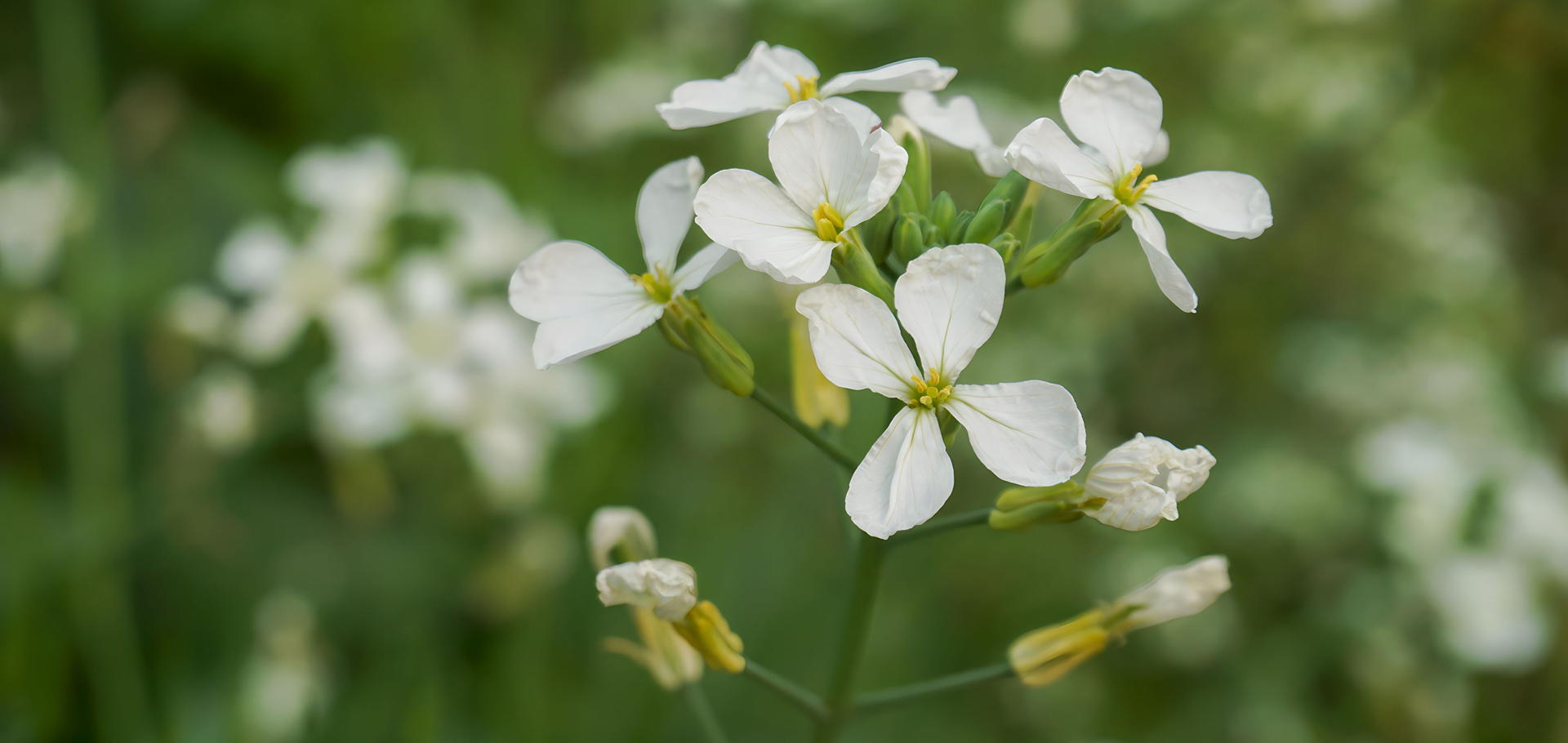
“Arabidopsis thaliana” is a small, fast-growing plant in the mustard family that has become the model system of choice for research in plant biology. It has been used to study biofuel production, climate change and space biology.
The Salk team tested SLEAP on a variety of plants, including crop plants like canola, rice and soybeans, as well as the model plant species Arabidopsis thaliana, a flowering weed in the mustard family. Across the variety of plants trialed, they found the novel, SLEAP-based method outperformed existing practices by annotating 1.5 times faster, training the AI model 10 times faster and predicting plant structure on new data 10 times faster, all with the same or better accuracy than before.
Together with the massive genome sequencing efforts for large numbers of crop varieties, this phenotypic data can be extrapolated to understand the genes responsible for creating certain characteristics, such as an especially deep root system. Connecting phenotype and genotype is crucial in the Salk scientists’ mission to create plants that hold on to more carbon and for longer, as those plants will need root systems designed to be deeper and more robust. Implementing this accurate and efficient software will allow them to integrate desirable phenotypes with targetable genes with groundbreaking ease and speed.
The Salk scientists say that their catalog of plant-root-system phenotypes is already accelerating research into creating carbon-capturing plants that fight climate change. Because the software is free, they’re excited to see how SLEAP will be used around the world and have now begun discussions with NASA scientists hoping to utilize the tool not only to help guide carbon-sequestering plants on Earth, but also to study plants in space.
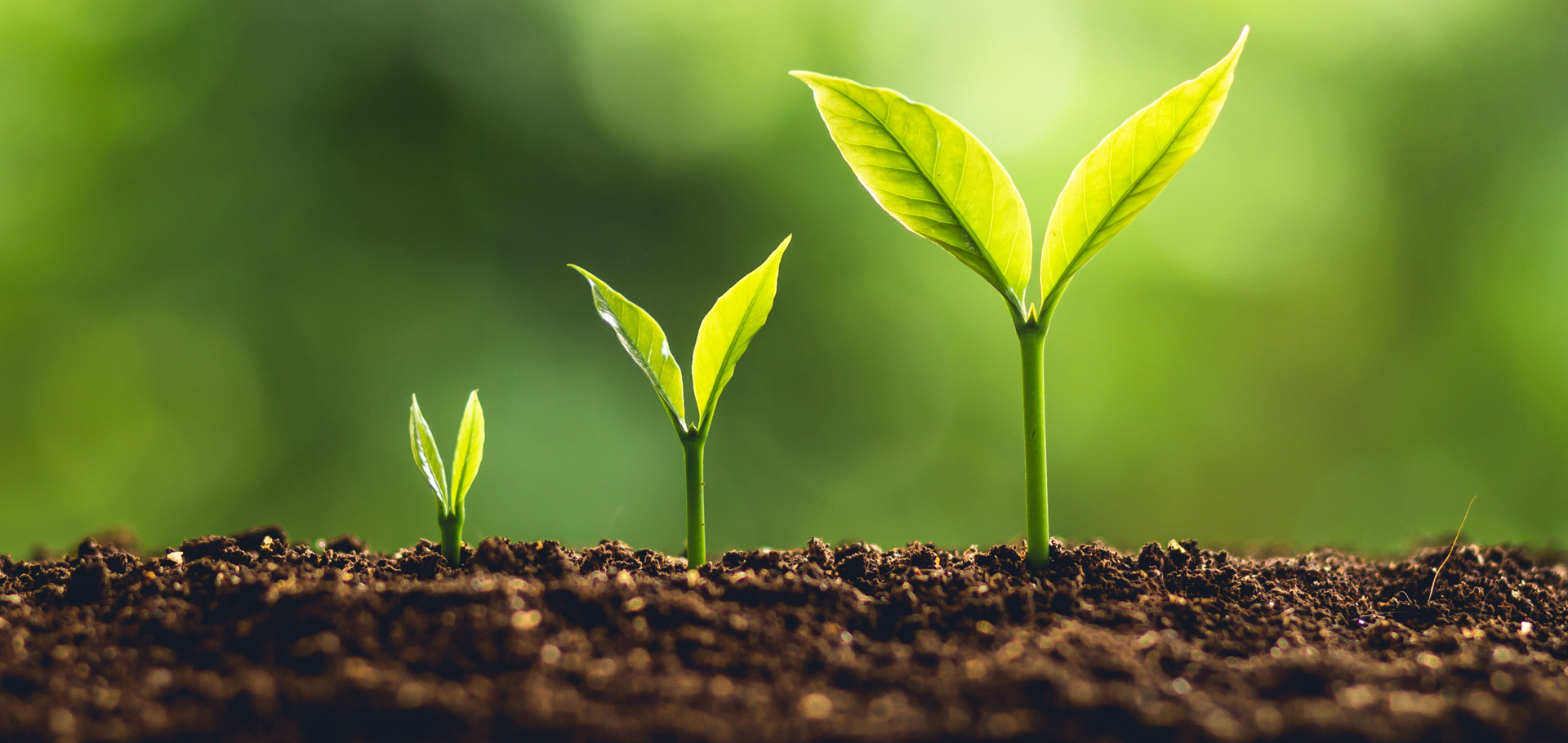
Plants offer us a wide array of benefits, not the least of which is a tangible connection to the Earth.
Plants and fungi: powerful partners
Without plants, oxygen levels on Earth would drop dramatically. Humans can survive only a few minutes without oxygen. But beyond their vital function of providing what we need to breathe and their beautiful looks, plants conserve water, prevent soil erosion, and supply food and building materials. In other words, they make the world habitable. In addition, they offer us a tangible connection to the Earth.
It’s clear, however, that we are harming plants—shown through measures such as dark diversity—just at the time that we’re beginning to learn about all their amazing traits. In the future, they could be engineered into even better climate change combatants, an innovation that will, perhaps, be powered by mushroom computing.
Then, perhaps, we’ll appreciate how elegant—and essential—all six kingdoms of life are.
Here’s to finding your true places and natural habitats,
Candy
The post Plant Superpowers and Fungi Flexibilities first appeared on Good Nature Travel Blog.